Rubbish collection Old York Road Wandsworth
Posted on 02/09/2026
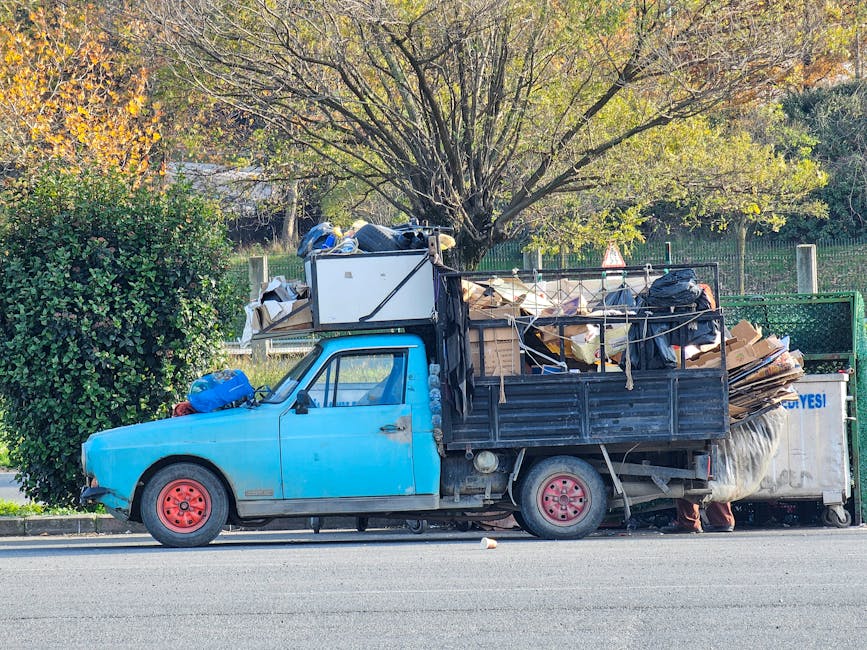
Rubbish collection Old York Road Wandsworth: a practical guide for homes, landlords and local businesses
If you live or work around Old York Road, you will know the rhythm of the street: busy pavements, tight kerb space, flats above shops, and plenty of day-to-day waste that can build up faster than you expect. Rubbish collection Old York Road Wandsworth is not just about getting bags taken away. It is about keeping entrances clear, reducing smells and mess, and making sure bulky items, mixed waste and recyclable materials are handled properly.
This guide walks through how rubbish collection works in this part of Wandsworth, who needs it most, what to look for in a provider, and the practical mistakes people often make. We will keep it grounded and useful. No fluff. Just the stuff that helps you make a good decision without faffing about.
Why Rubbish collection Old York Road Wandsworth Matters
Old York Road has a very particular character. It is lively, compact, and practical in a way that many London streets are not. That also means waste can become visible very quickly. A missed bin day, a broken wardrobe left by a front door, or a pile of cardboard outside a shop can make the whole street feel untidy. And once one household or business leaves waste in the wrong place, it tends to attract more of the same. Funny how that works, really.
Good rubbish collection matters here for a few simple reasons:
- Space is limited and clutter can block entrances, railings, and narrow walkways.
- Neighbour relations matter in mixed residential and commercial streets.
- Bulk waste is awkward to move without a proper plan, especially in flats or upper-floor premises.
- Presentation affects value for landlords, retailers and anyone thinking about letting or selling nearby.
There is also a wider local context. Wandsworth is a borough where people care about how their street feels. If you are interested in the neighbourhood itself, the article on what makes Wandsworth such a leafy suburb gives a useful sense of why upkeep and presentation matter so much here.
Expert summary: On a street like Old York Road, rubbish collection works best when it is regular, planned, and matched to the type of property you have. Flats, shops and family homes each create different waste patterns, so the "best" solution is rarely one-size-fits-all.
How Rubbish collection Old York Road Wandsworth Works
In practical terms, rubbish collection in this area usually starts with a quick assessment of what needs removing. That might be bagged household waste, unwanted furniture, builder's debris, broken appliances, or a mix of items from a flat clearance. Once the load is understood, the collection can be scheduled and the right vehicle, labour and disposal route arranged.
Most local collections follow a straightforward pattern:
- Identify the waste type and how much of it there is.
- Separate reusable, recyclable and general waste where possible.
- Choose a suitable collection time that works around access and neighbours.
- Load the waste safely without dragging items through hallways or communal areas.
- Transport it to the correct disposal or recovery route in line with good practice.
The details matter. A few bin bags are simple enough, but a set of drawers, old mattresses, or a post-renovation mix of plasterboard and packaging needs a more organised approach. If you are dealing with a flat clear-out, you may find the guidance on house clearance in Wandsworth helpful because many of the same planning issues apply, even when the job is smaller.
For businesses, the process is a bit more formal. Shops and offices need to keep customer-facing areas tidy, and they often have cardboard, packaging or mixed commercial waste that should be removed on a schedule rather than left to pile up. In those cases, a service aligned with commercial waste removal in Wandsworth is usually the more sensible route.
Key Benefits and Practical Advantages
People often think the main benefit is simply convenience. That is true, but it is only part of the picture.
- Less disruption: Items are removed in one visit rather than sitting around for days.
- Better hygiene: Less odour, fewer pests, less dust and fewer trip hazards.
- Better kerb appeal: Especially valuable if you rent, sell or run a customer-facing business.
- More efficient sorting: Recyclable items can be handled more thoughtfully.
- Safer lifting: Heavy furniture and awkward waste are moved by people used to the job.
There is a real difference between "it will do" waste removal and a collection that is planned properly. If the front stairwell is tight, if parking is awkward, if your item is too big for the lift, all of that changes the approach. That is where a sensible collection service becomes useful rather than just convenient.
For many households, this is tied to wider home plans. If you are decluttering before a move, the local buying and settlement guides can be useful background reading too, especially steps to buy property in Wandsworth and why local expertise matters when settling in Wandsworth.
Who This Is For and When It Makes Sense
This kind of rubbish collection is not only for people moving house. In fact, a surprising number of calls come from everyday situations that are easier to solve early than later.
It makes sense if you are:
- clearing out a flat after tenants leave
- getting rid of old furniture or white goods
- refreshing a garden or side return
- removing packaging after an online furniture delivery binge
- tidying up after DIY or light renovation work
- emptying a loft, cellar, or spare room that has become a storage room for everything
- running a small business on or near Old York Road and need regular waste movement
There is also a seasonal angle. Around spring and early summer, people notice clutter more. Windows are open, light floods in, and suddenly that old chair in the hallway looks larger than life. Around late autumn, garden waste and bulky household clear-outs tend to pick up. One minute it is a forgotten umbrella stand; next minute you are planning a full reset.
If your project is mainly furniture-related, the dedicated pages for furniture removal and furniture disposal can help you think through the practical differences between reuse-led removal and simple disposal.
Step-by-Step Guidance
Here is the cleanest way to approach a collection on Old York Road without making it more stressful than it needs to be.
- List everything that needs to go. Be honest. The lamp, the broken desk, the box of cables... all of it.
- Group items by type. Bagged waste, furniture, electricals, green waste and rubble should not be treated the same.
- Check access. Note stairs, parking restrictions, narrow hallways, or shared entrances.
- Decide what can be kept, donated or recycled. It saves time and often reduces waste volume.
- Request a clear quote. Make sure the quote reflects the actual load, not just a vague idea of it.
- Book a time that suits the street. On busier roads, a quieter slot can make loading smoother.
- Prepare the waste in advance. Move smaller bags together and keep paths clear.
- Confirm the collection details before the team arrives. A ten-second check can save a thirty-minute delay. Been there, honestly.
If your job involves appliances, it is worth planning separately. Fridges, washing machines and cookers may require different handling from ordinary rubbish. The page on white goods and appliance disposal in Wandsworth is a useful reference point when you are working out what counts as standard rubbish and what needs special treatment.
Expert Tips for Better Results
A smooth rubbish collection is usually the result of small details done well. Nothing glamorous. Just practical discipline.
- Take photos before you book. Not for drama, just so everyone knows the scale of the job.
- Keep recycling separate where possible. Cardboard, metal, untreated wood and green waste are easier to handle when sorted.
- Measure large items. A wardrobe looks manageable until it meets a narrow stairwell.
- Think about timing around neighbours. Early mornings can be fine, but not always ideal in a quiet residential block.
- Use one staging point. It speeds up loading and reduces confusion.
- Ask about the disposal route. A trustworthy provider should be comfortable explaining how waste is handled.
A small tip that saves hassle: if you are clearing a flat, put all loose screws, brackets and cables into a labelled bag. It looks trivial. It is not. Those bits have a habit of scattering everywhere and making the whole place feel messier than it is.
For people interested in recycling and lower-impact disposal, the article on recycling and sustainability is worth a read because it frames waste decisions in a more thoughtful way, not just a faster one.

Common Mistakes to Avoid
Most waste collection problems come from avoidable assumptions. The good news? They are fairly easy to sidestep.
- Leaving everything for the day of collection. That tends to create rushed decisions and forgotten items.
- Mixing hazardous or awkward waste with general rubbish. Not every item belongs in the same pile.
- Assuming all services are the same. They are not. Access, labour and waste type change the job significantly.
- Forgetting building rules or shared-access arrangements. Particularly common in flats and mixed-use buildings.
- Choosing only on price. Cheap can be expensive if the job is mis-scoped or delayed.
- Not checking whether the provider is properly licensed and insured. That is a big one.
Another mistake is underestimating the difference between general rubbish collection and a more specialised clearance. A room full of boxes is one thing. A loft full of mixed items, broken furniture and dusty old storage is another. If that is your reality, loft clearance in Wandsworth is the sort of service category that fits better than a generic tidy-up.
Tools, Resources and Recommendations
You do not need a fancy toolkit to manage rubbish well, but a few simple tools make the process smoother.
- Heavy-duty bin bags: Good for smaller waste and loose household items.
- Marker pens and tape: Useful for labelling boxes, especially in shared spaces.
- Gloves: Basic, sensible, and worth wearing more often than people admit.
- Dust sheets or old blankets: Handy when moving items through hallways or stairwells.
- Phone photos: A quick visual inventory helps with quotes and planning.
- Storage tubs: Better than random carrier bags for screws, cords and reusable bits.
For services, it helps to look at the broader offering, not just one isolated job. The services overview page is useful if you want to compare related options before deciding. And if you are trying to understand cost structure, the pricing and quotes page gives a sensible starting point for how to think about estimates.
Sometimes the right answer is not "one-off collection" but a combination of services. A garden overrun with clippings might need garden waste removal. A back office full of old files and broken chairs may be better served by office clearance. Matching the service to the waste usually gets a cleaner outcome. Simple, but easy to overlook.
Law, Compliance, Standards, or Best Practice
Waste collection in the UK sits within a framework of basic legal and environmental responsibilities. You do not need to be an expert in the law to make good decisions, but you do need to be careful about who handles your waste and where it goes.
Best practice usually includes:
- using a properly licensed waste carrier
- keeping clear records where needed
- separating recyclable materials where practical
- avoiding fly-tipping risks by checking who is taking the waste
- making sure the collection method is safe for staff, residents and passers-by
If you are hiring someone, compliance is not a boring extra. It is part of the service. A business that can explain its waste carrier licence and compliance approach is usually a safer bet than one that dodges the question. The same goes for insurance and safety, because a low-friction collection is only genuinely low-friction if it is also properly insured and handled with care.
There are also basic trust signals that matter. Clear terms, transparent pricing, sensible payment processes and straightforward policies all help. They may sound dry, but they are often what separates a decent service from a headache. If you like to check the fine print, the pages on terms and conditions, payment and security, and privacy policy are worth reviewing before you book.
For businesses especially, there is a reputational angle too. Poor waste handling can annoy neighbours, damage a shopfront's appearance, and create unnecessary risk. Nobody wants that on Old York Road, where first impressions are pretty much visible from the pavement.
Options, Methods, or Comparison Table
Choosing the right approach depends on the type of waste, urgency and access. Here is a simple comparison to help you think it through.
| Method | Best for | Strengths | Limitations |
|---|---|---|---|
| Regular bin collection | Routine household waste | Simple and predictable | Not suitable for bulky or excess items |
| One-off rubbish collection | Mixed domestic waste, bags, light clutter | Flexible and quick | Requires good access and clear scope |
| Furniture or appliance removal | Large items, white goods, single bulky pieces | Safer for heavy lifting and awkward loads | May need advance preparation |
| House or office clearance | Full rooms, flats, offices, end-of-tenancy jobs | Most efficient for larger volumes | Needs stronger planning and time |
| Builders waste disposal | Renovation rubble, packaging, construction leftovers | Handles heavier, messier loads properly | Not ideal for general household waste only |
If you are carrying out refurbishments or DIY, the builders waste disposal service is usually the more relevant option. And if the job started small but somehow snowballed into a full clear-out, a broader waste clearance approach can make more sense. That happens all the time, by the way. One broken cupboard becomes three bags, two chairs and a small mountain of packaging. It sneaks up on you.
Case Study or Real-World Example
A typical Old York Road scenario might look like this: a landlord has a compact flat above a commercial unit. The tenant moves out, leaving a worn mattress, two chairs, several sacks of mixed waste and a few broken kitchen bits. Nothing dramatic, just the usual post-tenancy mess. The hallway is narrow and there is no lift. Parking is not exactly generous. A regular council bin solution would be too slow, and leaving the items outside would only create friction with neighbours.
In a case like that, the sensible route is to group the waste, confirm access, and book a collection that can remove everything in one go. If the items include furniture, it may be worth pairing the job with furniture removal rather than trying to treat each item separately. The result is usually faster, tidier and less stressful for everyone involved.
We have seen similar jobs where a small amount of planning saved the whole afternoon. A quick photo, a clear stair route, one agreed collection point and the job is done. Not glamorous, but efficient. And to be fair, that is what most people really want.
Practical Checklist
Use this before you book or on the morning of collection:
- List every item that needs removing
- Separate rubbish, furniture, electricals and recycling
- Check access for stairs, lifts and parking
- Measure awkward or oversized items
- Take photos if the load is hard to describe
- Decide what should be kept, donated or recycled
- Clear a path from the waste to the exit
- Put loose screws, cables and small parts into labelled bags
- Confirm the collection time and any building instructions
- Make sure the provider is properly insured and compliant
That last point is easy to ignore when you are busy. Still, it matters.
Conclusion
Rubbish collection Old York Road Wandsworth is really about keeping a busy local street tidy, functional and pleasant to use. For homeowners, it helps reclaim space. For landlords, it supports good presentation and smoother turnovers. For businesses, it protects the customer experience and reduces avoidable mess.
The strongest results usually come from simple habits: sort the waste, check the access, choose the right service type, and work with a provider that handles waste responsibly. Do that, and the whole job becomes far less annoying than it first looks. Which is always a relief.
Get a free quote today and see how much you can save.


 Tipper Van - Rubbish Removal and Basement Junk Removal Prices in Wandsworth, SW18
 Luton Van - Rubbish Removal and Basement Junk Removal Prices in Wandsworth, SW18